
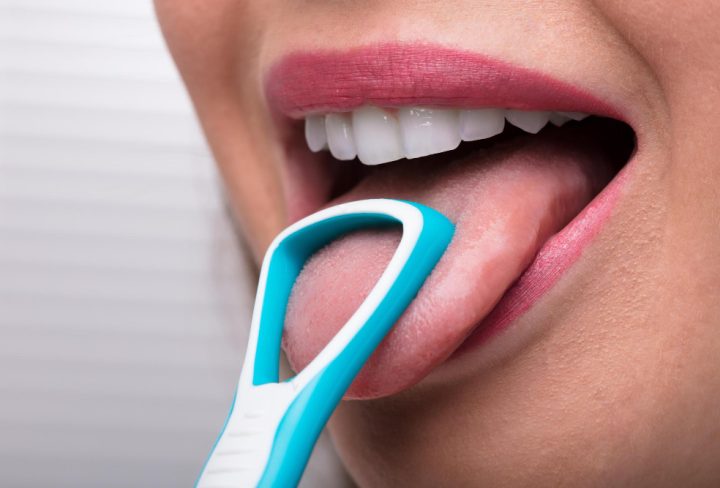
What is Tongue Scraping Habit?
Tongue scraping habit is a simple step in an oral hygiene routine. It involves gently cleaning the surface of your tongue with a special tool called a tongue scraper. Many people use this habit to remove food particles, bacteria, and dead cells from their tongue. Because the tongue can hold germs, cleaning it may help keep your mouth fresh. According to dental experts, adding tongue scraping to your daily routine can support better oral health. But, you may wonder if tongue scraping is safe or necessary. Let’s explore the benefits, risks, and best practices for this habit.
Benefits of Tongue Scraping
Many people notice a cleaner mouth after tongue scraping. In fact, research shows several benefits:
According to the CDC and dental journals, tongue scraping is a helpful step, especially when combined with brushing and flossing.
Potential Risks and Side Effects
Although tongue scraping is safe for most people, there are some risks. For example, scraping too hard can hurt your tongue. You may notice soreness, small cuts, or irritation. In rare cases, people with certain health conditions should avoid tongue scraping. If you have open sores, infections, or a sensitive tongue, talk to your dentist first. Additionally, using a dirty scraper can spread germs. Therefore, always clean your tool after each use. The World Health Organization suggests gentle cleaning to avoid injury.
How to Practice Tongue Scraping Safely
It is easy to add tongue scraping to your daily oral hygiene routine. Follow these steps for safe and effective cleaning:
For best results, scrape your tongue once daily, usually after brushing your teeth. If you feel pain or notice bleeding, stop and consult your dentist.
Tips for Maintaining Oral Hygiene
Good oral hygiene is more than just tongue scraping. Here are some helpful tongue cleaning tips and habits to keep your mouth healthy:
By following these steps, you can support a healthy smile and fresh breath every day.
Frequently Asked Questions
Is tongue scraping safe for everyone?
For most people, tongue scraping is safe. However, if you have mouth sores, infections, or a sensitive tongue, ask your dentist before starting.
How often should I scrape my tongue?
Most experts suggest scraping your tongue once a day. Usually, it is best to do this after brushing your teeth in the morning.
Can I use a toothbrush instead of a scraper?
While you can use a toothbrush, a tongue scraper is often more effective. It removes more buildup and is designed for the tongue’s surface.
What if my tongue bleeds or hurts?
If you notice bleeding or pain, stop scraping right away. Use less pressure next time. If problems continue, consult your dentist.
Consult your dentist for personalized advice on tongue scraping and oral health.