Introduction
Pit and fissure sealants are a simple way to protect teeth from cavities. Many dentists recommend them for children and adults. In fact, these sealants can help prevent tooth decay before it starts. If you want to know how dental sealants for cavity prevention work, this guide is for you.
What Are Pit and Fissure Sealants?
Pit and fissure sealants are thin, protective coatings. Dentists apply them to the chewing surfaces of back teeth. Usually, these areas have tiny grooves and pits. Food and germs can get stuck there. However, sealants cover these spots and keep teeth safe.
How Do They Work?
Sealants act like a shield for your teeth. First, they block out food and bacteria. Because of this, it becomes harder for cavities to form. Even though you brush and floss, some areas are hard to clean. With sealants, those tricky spots get extra protection.
Benefits of Pit and Fissure Sealants
There are many reasons to choose pit and fissure sealants. For example, they offer:
According to the CDC, children with sealants have fewer cavities than those without them.
Who Should Get Pit and Fissure Sealants?
Sealants are helpful for many people. However, they are most often used for:
For best results, talk to your dentist. They can tell you if sealants are right for you or your child.
The Sealant Application Procedure
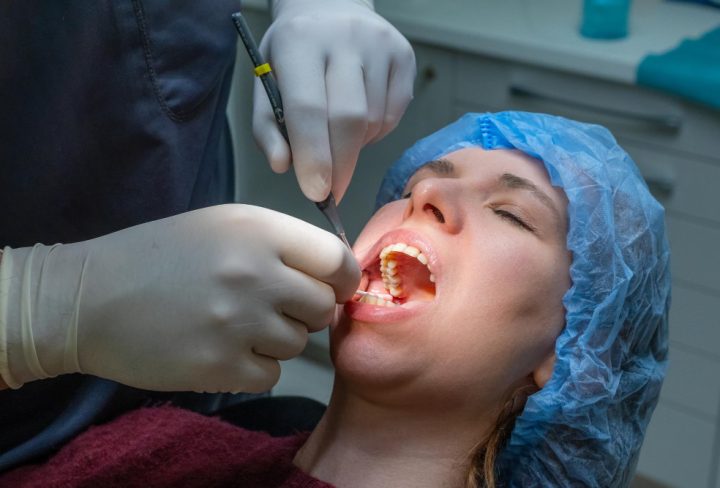
The sealant application procedure is simple and painless. Here is what you can expect:
Most appointments take only a few minutes per tooth. Because the process is quick, children usually find it easy.
Aftercare Tips for Sealants
Once you have sealants, caring for them is easy. Still, you should follow these tips:
With good care, sealants can last for several years. However, your dentist may need to repair or replace them over time.
Prevention of Tooth Decay with Sealants
Pit and fissure sealants are a proven way to prevent tooth decay. In addition, they work best when combined with other healthy habits. For example, you should:
Because sealants protect the most vulnerable parts of your teeth, they are a smart choice for many families.
Conclusion
In summary, pit and fissure sealants offer strong protection against cavities. They are safe, quick, and effective for both children and adults. If you want to learn more about how sealants protect teeth, talk to your dentist. They can help you decide if dental sealants for cavity prevention are right for you or your child.
For personalized advice, schedule a dental check-up and ask about pit and fissure sealants today.