What is a Dental Implant?
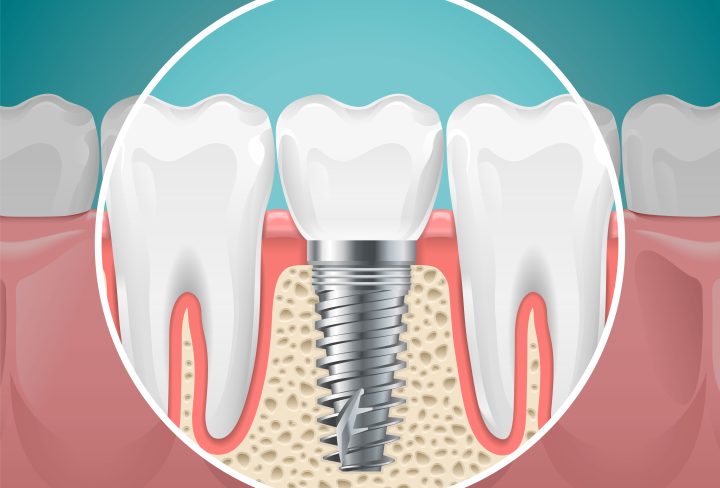
A dental implant is a small, strong post placed in your jawbone. Dentists use it to replace a missing tooth. The dental implant acts like a natural tooth root. Later, a crown is attached to the top. This crown looks and works like a real tooth. Because of this, many people choose dental implants to restore their smile. According to the World Health Organization, missing teeth can affect chewing and speech. Dental implants help solve these problems.
How Does a Dental Implant Work?
First, the dentist places the dental implant into your jawbone. Over time, the bone grows around the implant. This process is called osseointegration. As a result, the implant becomes stable and secure. After healing, the dentist attaches a connector, called an abutment. Then, a custom-made crown is placed on top. This crown matches your other teeth. Because of this, the dental implant looks and feels natural.
Benefits of Dental Implants
Dental implants offer many advantages over other tooth replacement options. For example, they:
In addition, dental implant benefits include improved comfort and better oral health. Unlike bridges, implants do not require support from nearby teeth.
Who Can Get a Dental Implant?
Most adults with healthy gums and enough jawbone can get a dental implant. However, some conditions may affect your suitability. For example, heavy smoking, uncontrolled diabetes, or certain bone diseases may increase risks. Your dentist will check your health and take X-rays. This helps decide if a dental implant is right for you. Children usually wait until their jaw stops growing before getting implants.
The Dental Implant Procedure: Step by Step
The dental implant procedure usually takes several visits. Here is a simple overview:
Because each person is different, the dental implant procedure may vary slightly.
Risks and Considerations
Although dental implants are safe, there are some risks. For instance, infection, nerve damage, or implant failure can occur. However, these problems are rare. Choosing a skilled dentist reduces your risk. Also, following aftercare instructions helps prevent issues. If you have health conditions, discuss them with your dentist before the procedure.
Aftercare and Recovery Tips
Proper dental implant aftercare is important for healing. Here are some helpful tips:
Because good care helps your dental implant last longer, always follow your dentist’s advice.
Frequently Asked Questions about Dental Implants
In summary, dental implants are a safe and effective way to replace missing teeth. They look, feel, and work like natural teeth. If you want to restore your smile, consult a qualified dentist to find out if a dental implant is right for you.