What Are Oral Ulcers?
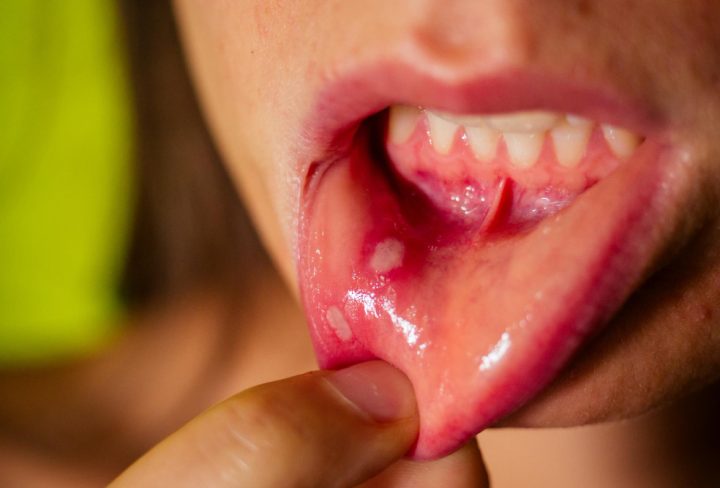
Oral ulcers are small, painful sores that appear inside the mouth. These sores are also called mouth sores or canker sores. Usually, oral ulcers form on the inside of the lips, cheeks, tongue, or gums. While most oral ulcers are harmless, they can make eating or talking uncomfortable. In many cases, these sores heal on their own. However, some may need treatment if they last longer than two weeks or keep coming back.
Common Symptoms of Oral Ulcers
Oral ulcers can look and feel different for each person. Still, most people notice a few common signs. For example, you may see:
Sometimes, you may also feel mild fever or swollen glands. However, these symptoms are less common. If you notice sores that do not heal or keep coming back, it is important to talk to a dentist or doctor.
Causes and Risk Factors of Oral Ulcers
Many things can cause oral ulcers. In some cases, the exact cause is not clear. However, several common triggers include:
Additionally, some people are more likely to get mouth sores if they have a family history of oral ulcers. Smoking and using tobacco can also raise your risk.
How Oral Ulcers Are Diagnosed
Most of the time, a dentist or doctor can diagnose oral ulcers by looking at the sores. First, they will ask about your symptoms and health history. Next, they may check for signs of infection or other health problems. In rare cases, your doctor may order blood tests or take a small sample from the sore. This helps rule out other conditions, such as oral cancer or infections. Usually, no special tests are needed if the sores heal quickly and do not return often.
Treatment Options for Oral Ulcers
Most oral ulcers heal on their own within one to two weeks. However, treatment can help reduce pain and speed up healing. For example, your doctor or dentist may suggest:
Sometimes, treating the cause—such as a vitamin deficiency—can help prevent new sores. If you have large or very painful ulcers, your doctor may suggest stronger treatments. However, most people do not need these medicines.
Home Care and Lifestyle Tips for Oral Ulcers
There are simple steps you can take at home to help heal oral ulcers fast. For instance, you can:
Additionally, try to manage stress and get enough sleep. These steps can help your body heal faster. If your sores do not improve or get worse, see a healthcare provider.
Preventing Oral Ulcers
While you cannot always stop oral ulcers from forming, you can lower your risk. For example, you can:
Finally, regular dental check-ups can help spot problems early. If you get frequent or severe mouth sores, talk to your dentist or doctor for advice.