What Are Dental Braces?
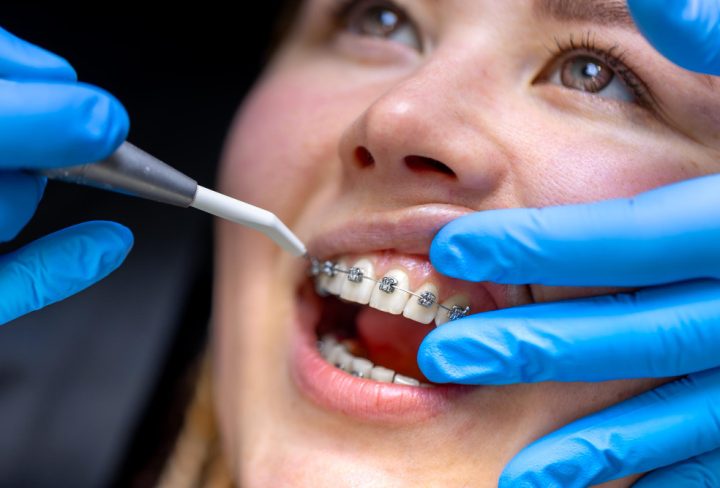
Dental braces are special devices that help straighten teeth. They also fix bite problems and improve your smile. Many people, including adults, choose dental braces for better oral health. Dentists and orthodontists use braces to move teeth into the right position. Because of this, dental braces are a common solution for crooked or crowded teeth.
Common Reasons for Needing Dental Braces
Many people need dental braces for different reasons. For example, some have teeth that are not straight. Others have bite issues, such as an overbite or underbite. In addition, dental braces for adults are becoming more popular. Here are some common reasons:
Types of Dental Braces
Today, you can choose from several types of dental braces. Each type has its own benefits. Therefore, it is important to know your options before making a decision.
The Process of Getting Dental Braces
Getting dental braces involves several steps. First, you will have a consultation with a dentist or orthodontist. During this visit, they will check your teeth and take X-rays. Next, they will discuss the best type of braces for you. After you agree on a plan, the fitting process begins. The dentist will attach the braces to your teeth. For clear aligners, you will receive custom trays instead. After that, you will visit the dentist for regular adjustments. These visits help move your teeth into the right position over time.
Benefits of Dental Braces
Dental braces offer many benefits. Not only do they improve your smile, but they also help your oral health. Here are some key benefits:
Care and Maintenance Tips for Braces
Proper care is important when you have dental braces. With good habits, you can avoid problems and keep your teeth healthy. Here are some tips:
Potential Risks or Side Effects
Although dental braces are safe, some people may experience side effects. For instance, you might feel mild pain or discomfort after adjustments. Sometimes, braces can cause mouth sores or irritation. In rare cases, teeth may become stained if you do not clean them well. However, most side effects are temporary and easy to manage.
Tips for Living with Braces
Living with dental braces takes some adjustment. However, you can make the process easier by following these tips:
Prevention of Complications
To prevent problems, always follow your dentist’s advice. For example, avoid biting on hard objects like pens or ice. In addition, keep your braces clean to stop plaque build-up. If a bracket or wire breaks, contact your dentist right away. Early action can prevent bigger issues.
When to Consult a Dentist or Orthodontist
If you notice pain, swelling, or broken parts in your braces, see your dentist soon. Also, if you have trouble eating or cleaning your teeth, ask for help. Regular visits are important for tracking your progress. Therefore, do not skip your scheduled appointments.
Conclusion
Dental braces can change your smile and boost your confidence. With the right care, you can enjoy healthy, straight teeth for life. Consult a dental specialist to find out if dental braces are right for you.
Sources: American Dental Association (ADA), World Health Organization (WHO)